
Work · Music video · From the debut album «Alexandria»
Maroko — «Take It Easy»
If you’re gonna break my heart, break it slowly. A surreal film about the inside of a breakup: dark water, reaching hands, shattered mirrors, a warrior crying through chrome.
- 207K+
- views of the official video on YouTube
- 5
- visual forms of one heartbroken hero
- 11
- episodes of a podcast that never happened
- Oct 12, 2025
- «Alexandria» — the debut album release
In short
«Take It Easy» is the official music video for Maroko, from the debut album «Alexandria» — a surreal cinematic film about heartbreak with 207K+ views on YouTube. Every frame began as a directed still (Nano Banana, Seedream, Freepik AI) and was animated in Kling 2.5 Pro with the hero’s identity locked throughout. Creative direction — Maroko and Oleg Pylypenko; production — Flavatars. Even the behind-the-scenes film was generated.
The film
The full film
The official music video — watched 207,000+ times on YouTube
The song
Break it slowly
The decision has already been made without him. He cannot stop the leaving — so he asks for the only thing left: don’t destroy me in one motion. The video never shows the couple; it shows the inside of the man — the state after the words, when memory grows hands and the corridors have no exits.
«Take It Easy» opens «Alexandria» — Maroko’s debut full-length album, an emotional diary of one love story told across twelve tracks, released on 12 October 2025. The film was the first big visual statement of that world: emotional electronic music with a global sound and a cinematic, dramatic language.
The visual world
Heartbreak, made physical
Water
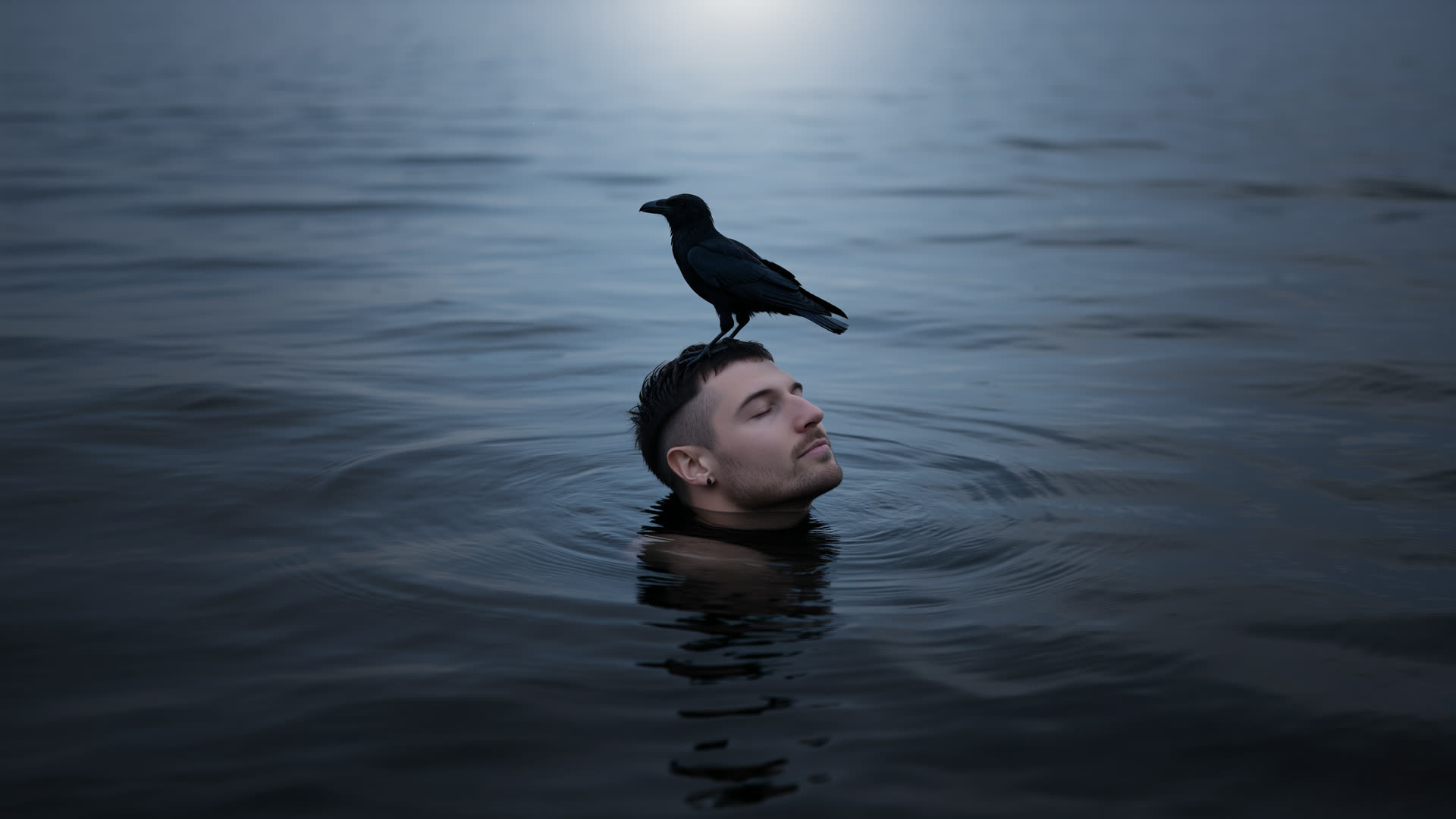
Memory and the subconscious — the hero stands waist-deep while it decides whether to hold or take him.
Hands
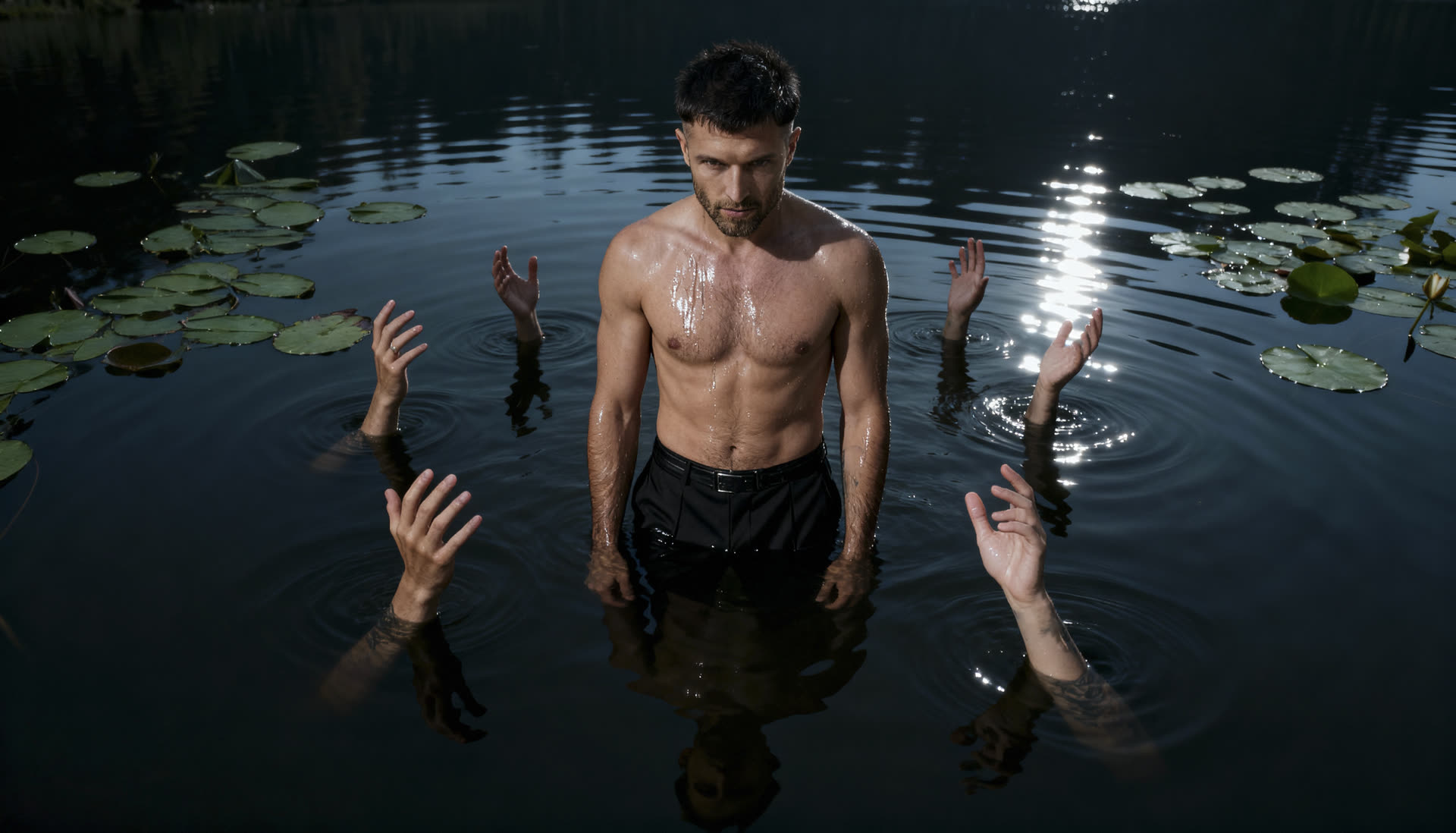
Past loves made physical: they rise from the water, reach from frame edges, press on his face and neck.
Mirrors
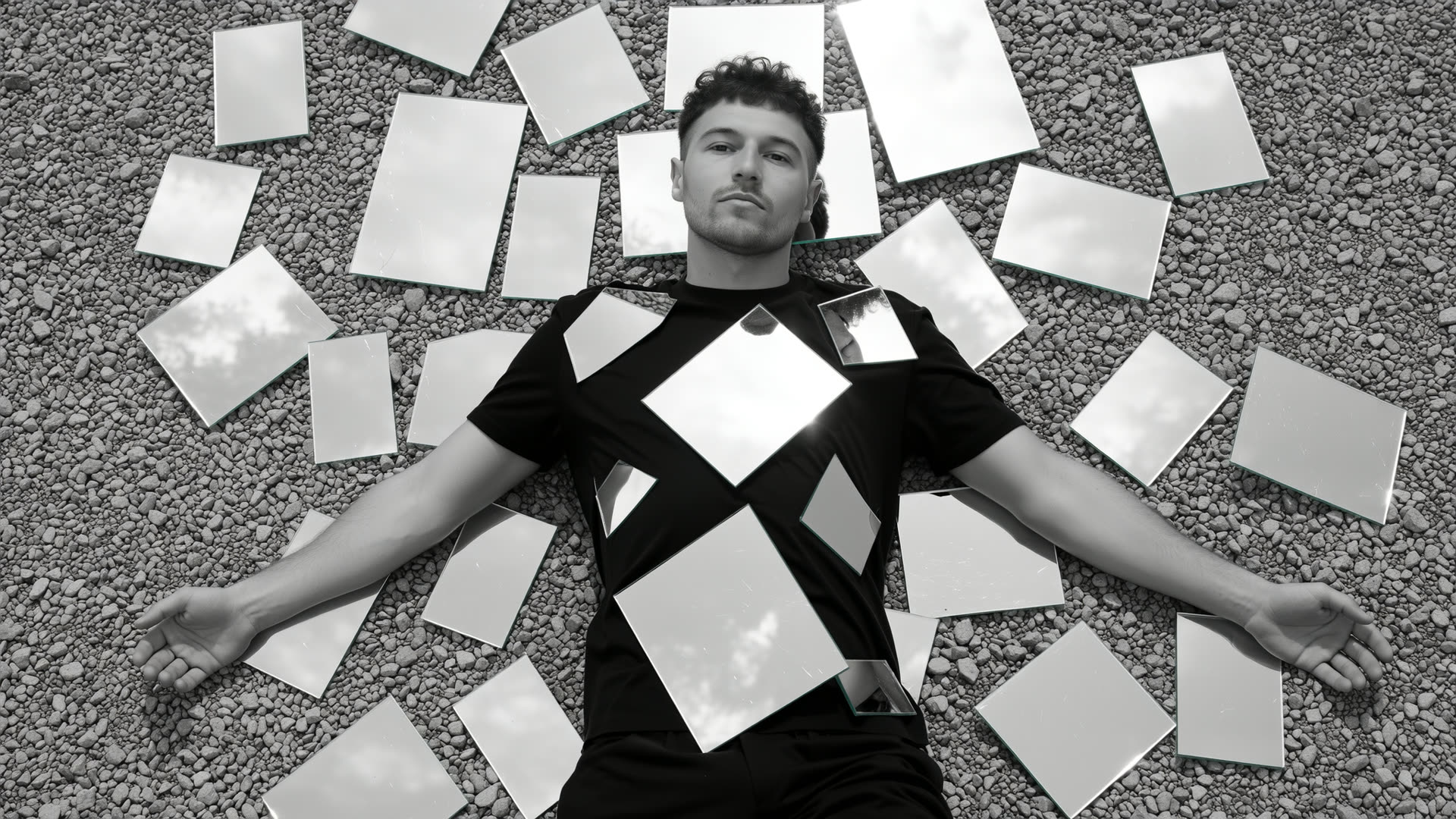
A love story in fragments — his face repeated in shards that remember more than he does.
Corridors
Depression as architecture: yellow peeling walls, a flickering lamp, no exit in sight.
Chrome armor
A warrior sealed in cold metal — with tears sliding slowly down the mask.
The crown and bandages
Power and trauma in one body: a bandaged king, arms raised between blessing and surrender.
Arrows
Wounds that did not fell him — the man keeps standing with every hit still in his body.
Fire
The burning double: the hero shakes hands with his own self-destruction, calmly, mid-blaze.
One more thing
A behind-the-scenes for a film with no set
The «Behind The Scenes» is the film’s final trick: lights, crew moments and on-set atmosphere for a production that never physically existed — generated with the same identity-locked pipeline as the video itself.
One hero
Five forms of the same man
- 01
The black fashion look
Total black, a scarf over the head, dark glasses — a minimal, expensive silhouette that already belongs to a big stage.
- 02
The man in the water
Bare torso, tailored pants, water to the waist among lilies — the most vulnerable form, face open, memories rising around him as hands.
- 03
The chrome warrior
A chrome skull mask, silver armor, layered pearls — and tears moving slowly over metal. Impenetrable outside, soft inside.
- 04
The bandaged king
Face fully wrapped, a heavy crown, arms raised — power, sacrifice and lost identity in a single black-and-white frame.
- 05
The man with arrows
An open field, a dramatic sky, arrows through the body — still standing. The form the whole song stands behind.
The direction language behind them: Tarkovsky’s time and water, Aronofsky’s pressure and fragmentation, and the fearless camera trajectories of modern fashion film.
How it was made
Directed, not generated
- 01
Stills before motion
Every scene began as a photograph: composition, light, wardrobe and emotion locked in Nano Banana, Seedream and Freepik AI before anything moved.
- 02
One face, locked
A reference portrait carried the hero across every generation — same face, same age, same stubble, 1:1 identity match written into each prompt.
- 03
Kling 2.5 Pro animation
Approved stills became shots: lip-sync performances, slow dolly-ins, handheld corridors, orbiting water scenes, fire, smoke, lightning and timelapse skies.
- 04
Direction by prohibition
Every prompt ended with what must NOT happen: don’t stand up, don’t look away, don’t move the lips in B-roll, no extra people, no deformed hands. The hero stays still — the world moves around him.
- 05
The edit
Generated shots were cut like any film — slow push-ins against static tableaux, one long corridor confession, a burning handshake — until the states formed one night of heartbreak.
The frames before the film
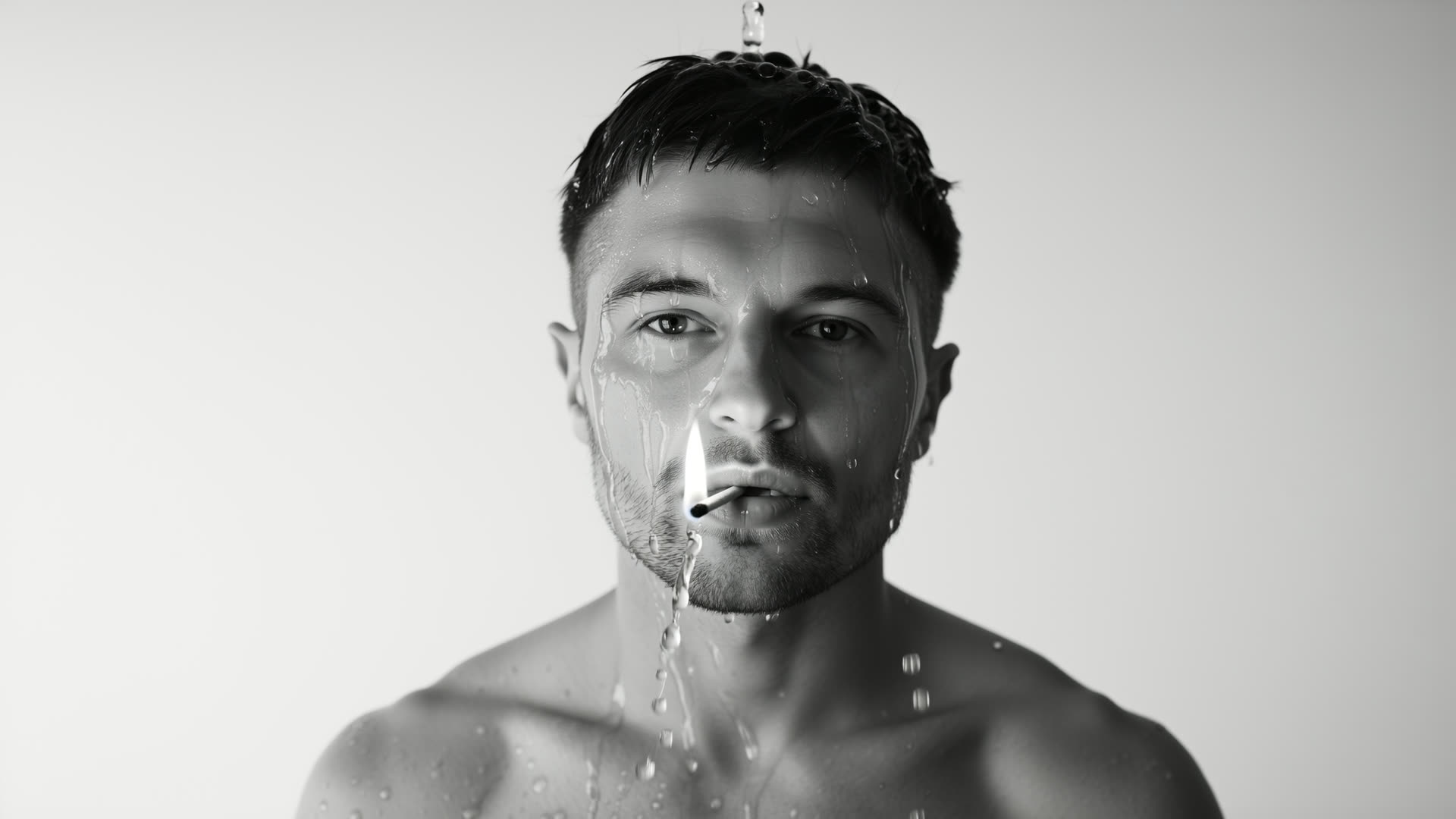
Twelve stills from the generation archive
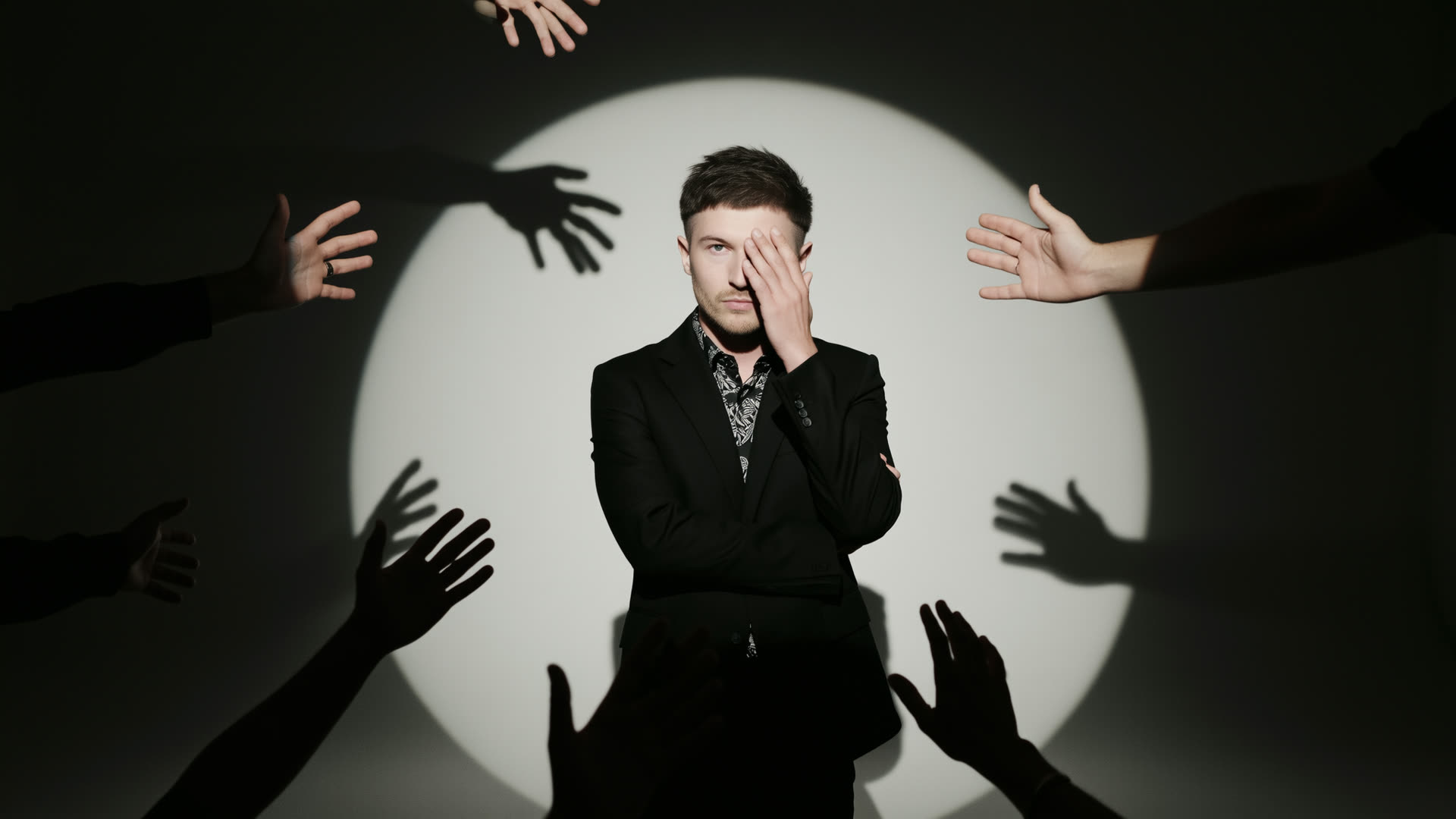
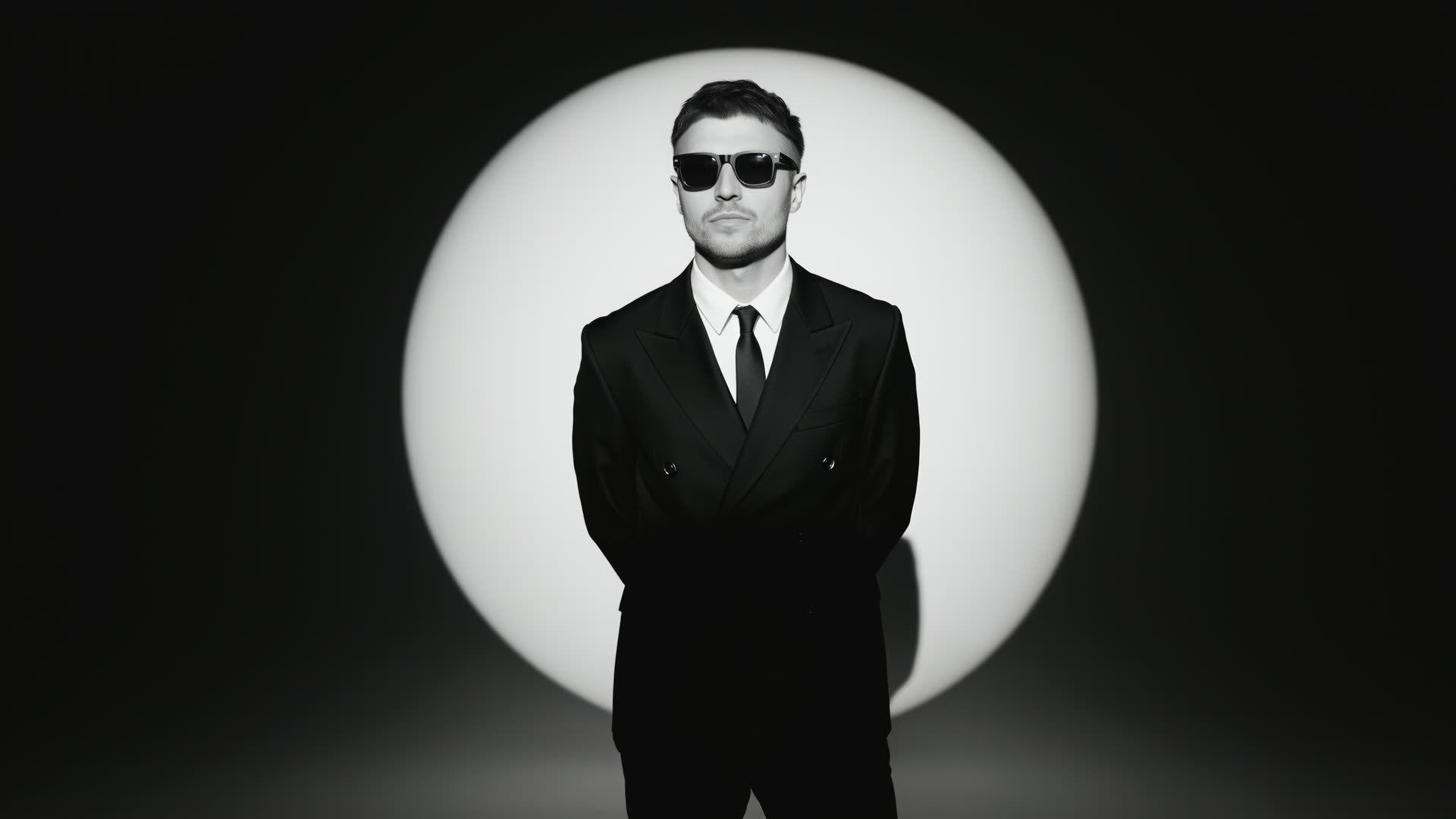
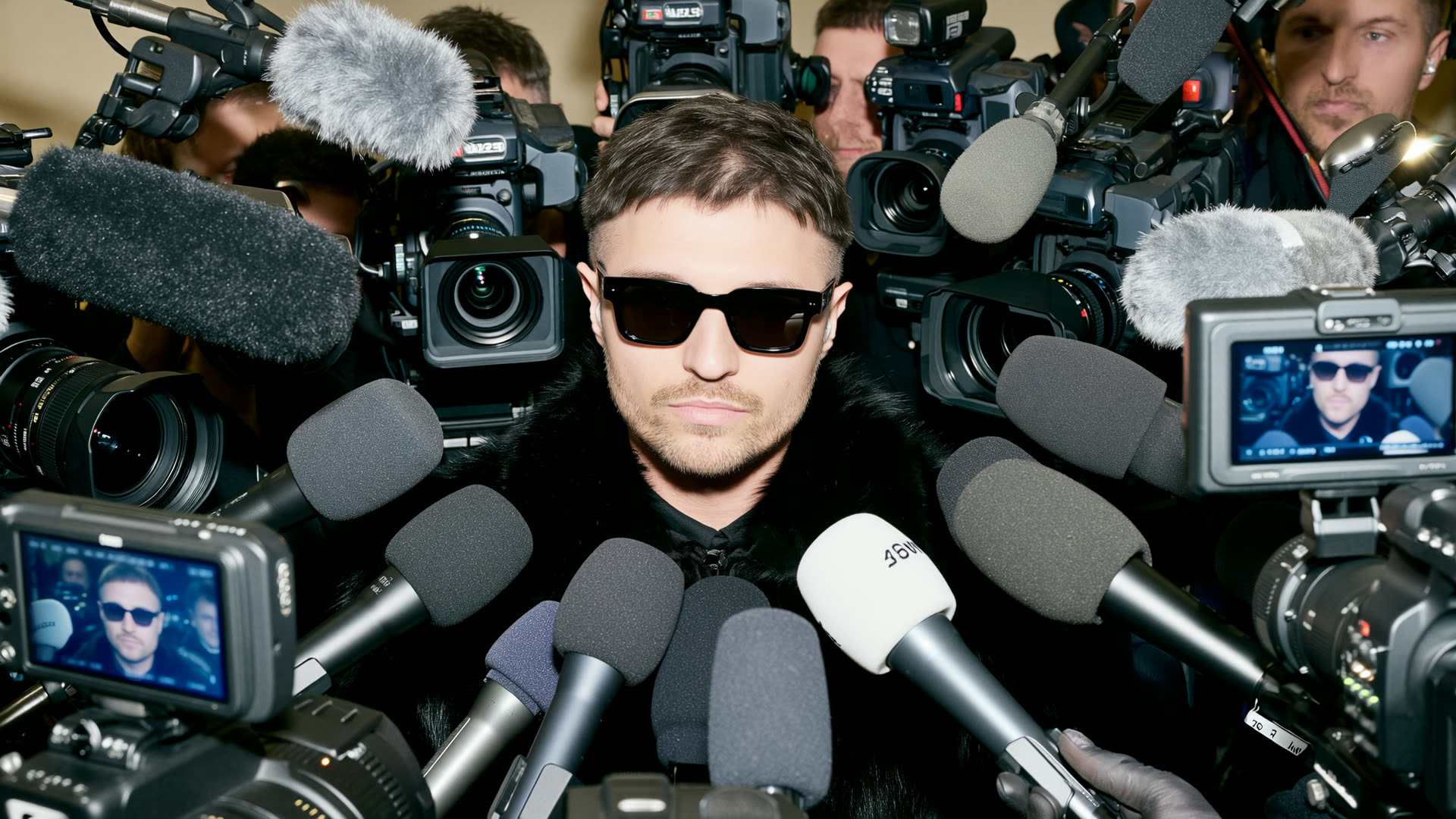
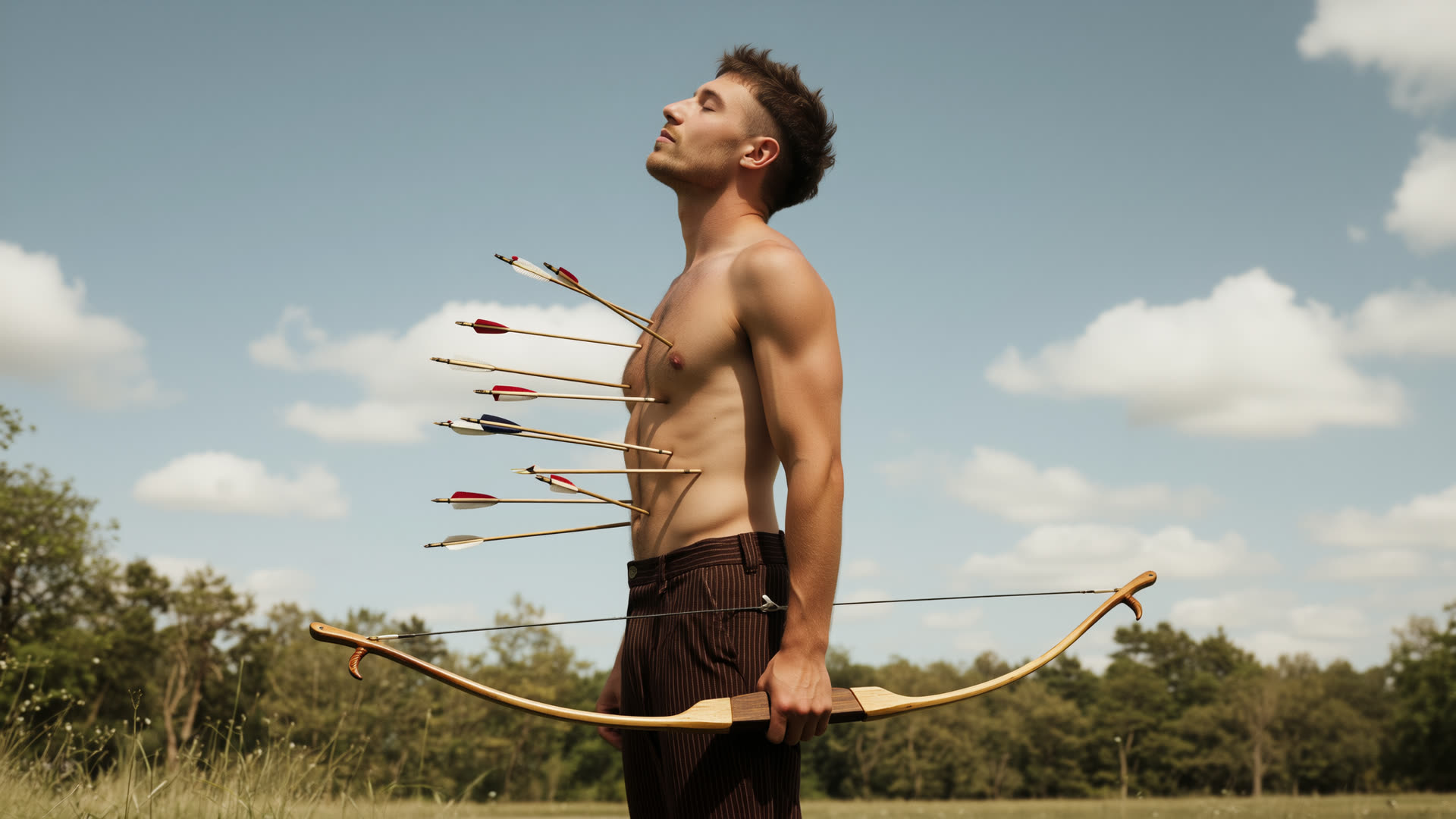
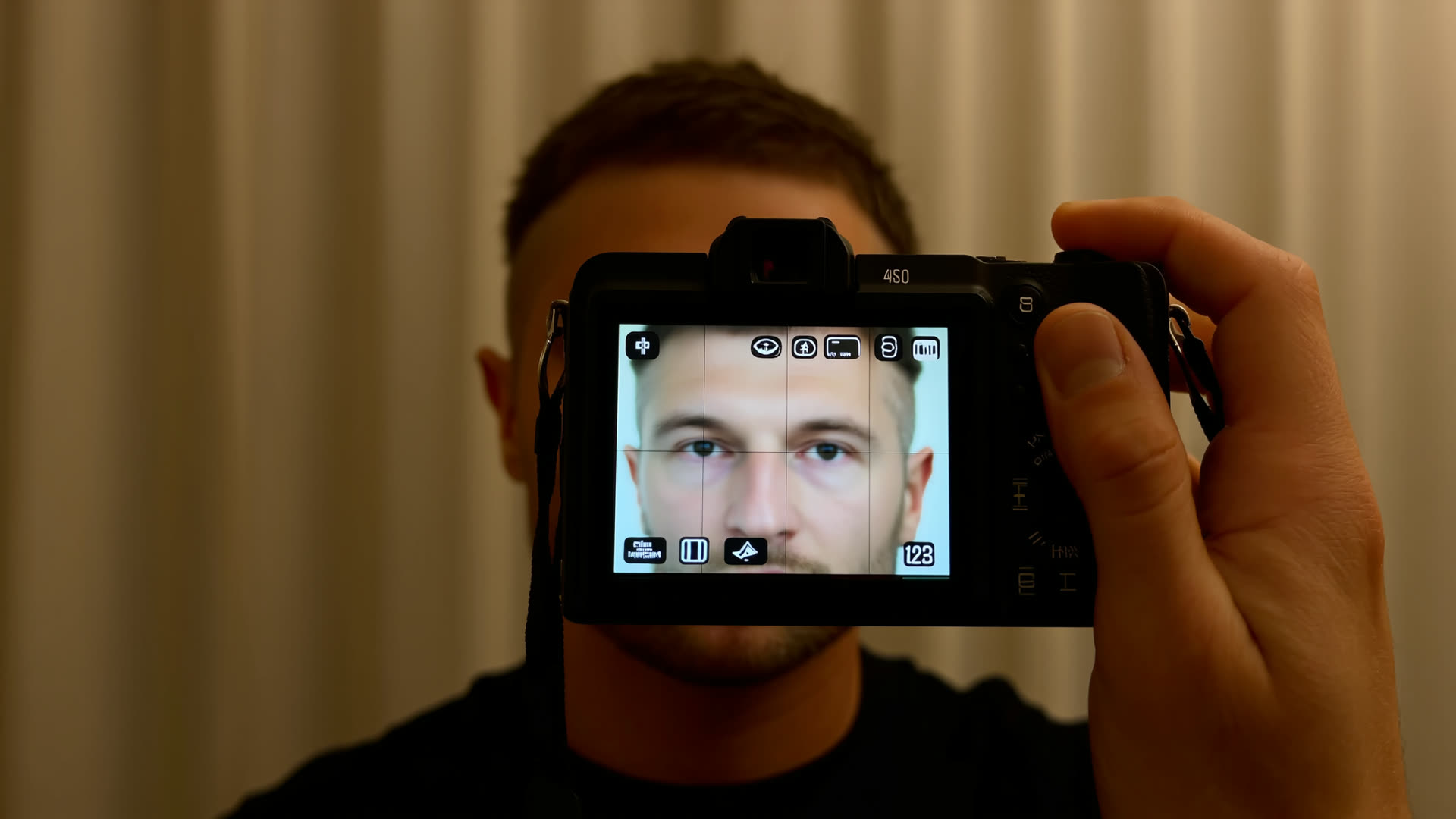
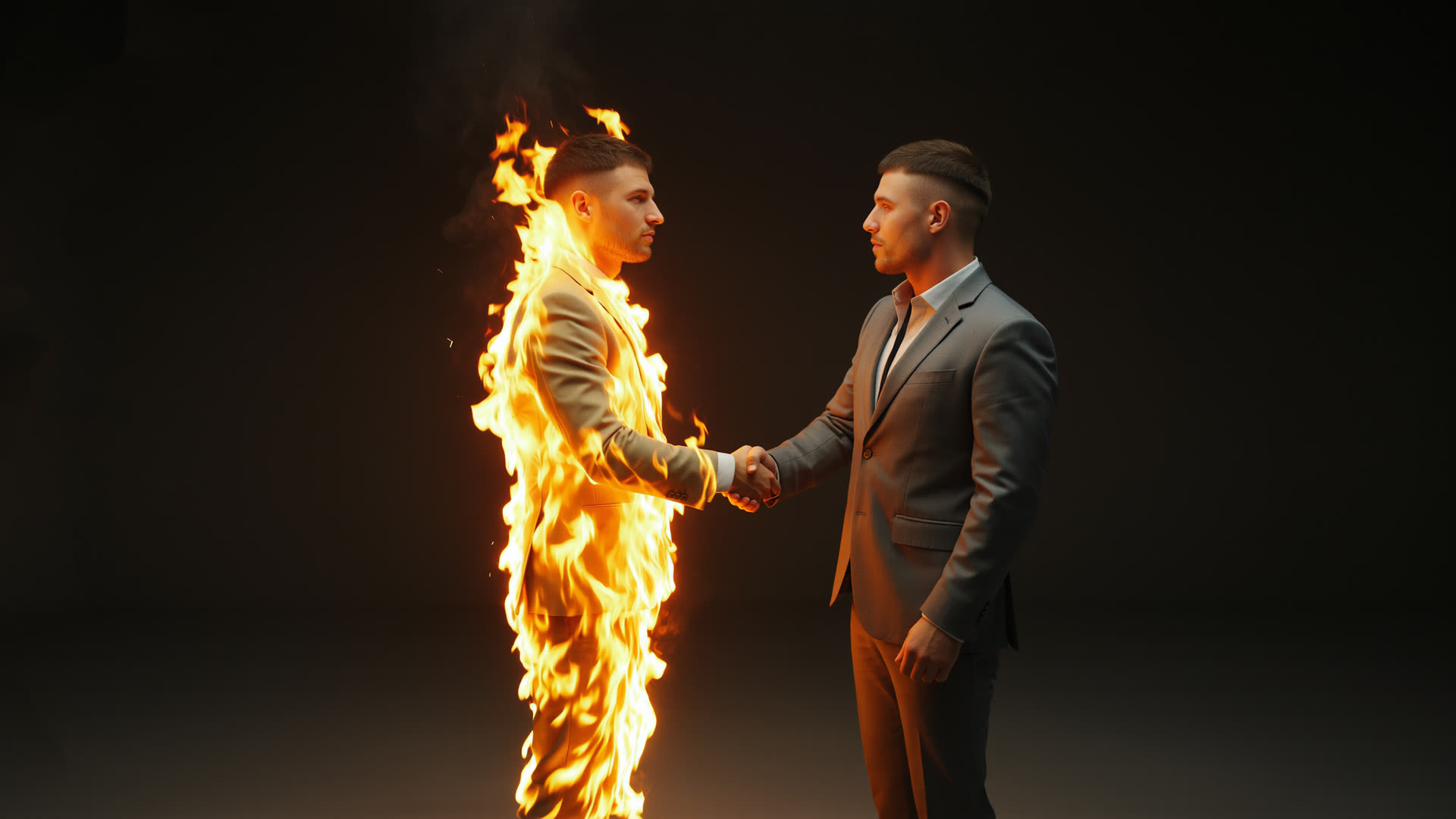
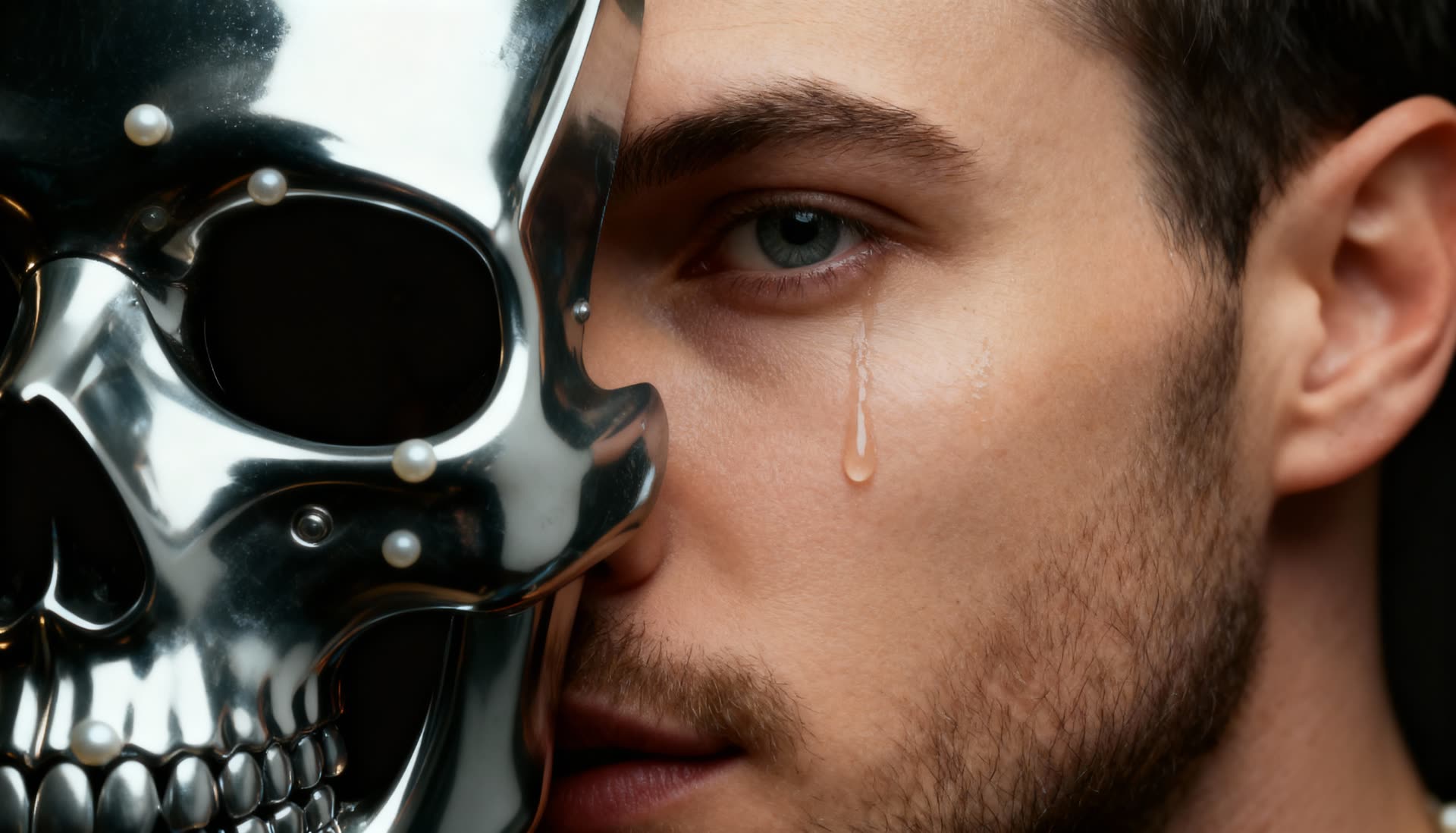
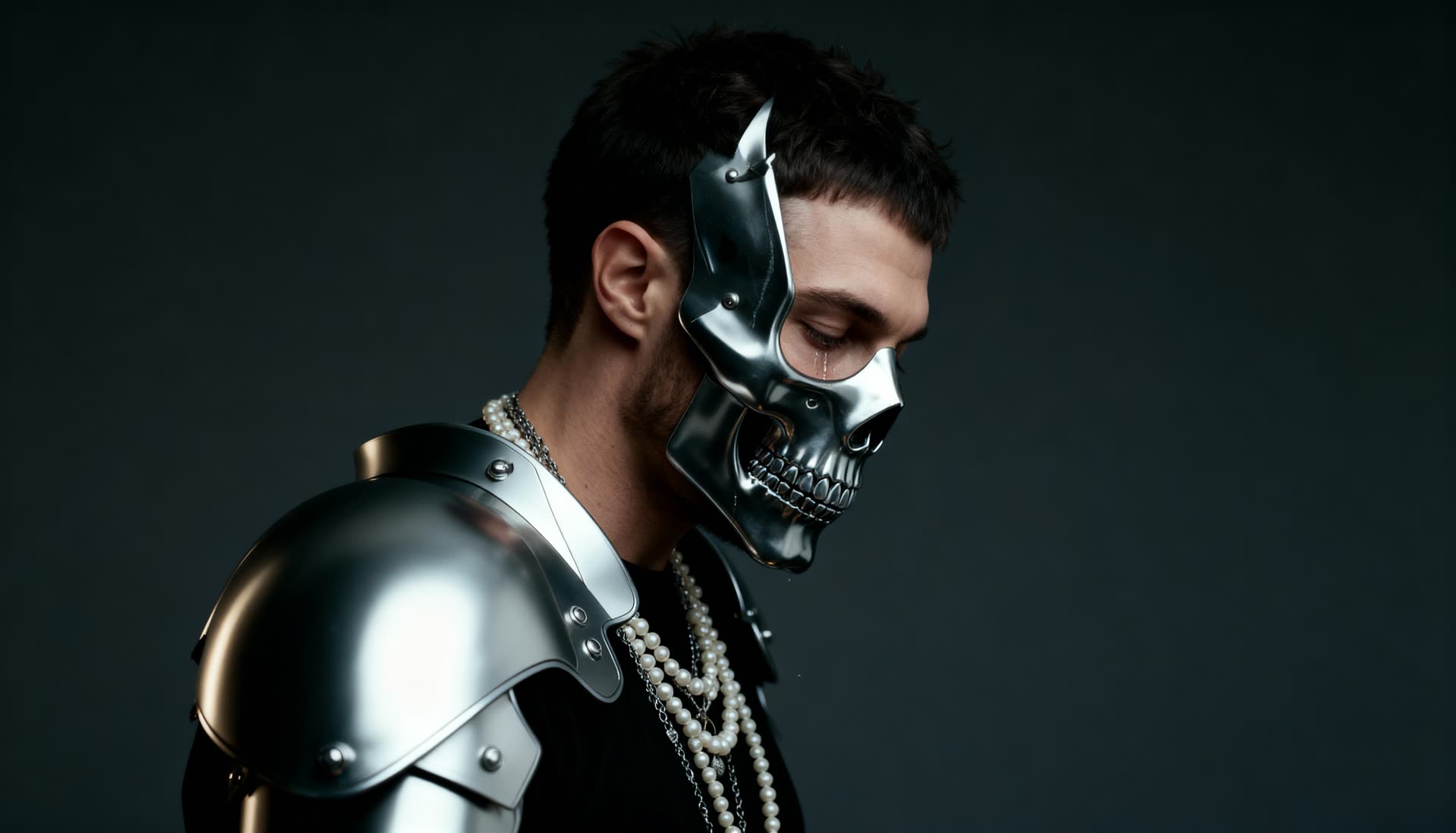
The campaign
The podcast that never happened
To launch the release, Maroko sat down for an interview — at a marble table in a concrete hall, under one glowing sphere, opposite a host. Eleven episodes were made. The room does not exist, the host does not exist, the interview never took place: the entire series was generated. Alongside it, eight Reels cut from the film carried the album announcement in red editorial typography.
The series was never released in full anywhere — until now. All eleven episodes are below, with sound: tap an episode to watch it full-screen, from the first question to the last.
The models didn’t invent this film. They executed a direction.
The facts
Everything, in one table
| Work | Maroko — «Take It Easy» (official music video) |
|---|---|
| Artist | Maroko |
| Album | «Alexandria» — the debut full-length album, released 12 October 2025 |
| Views | 207K+ on the official YouTube video |
| The song | A heartbreak plea — «if you’re gonna break my heart, break it slowly» |
| Creative direction | Maroko and Oleg Pylypenko; production — Flavatars |
| Pipeline | Nano Banana · Seedream · Freepik AI (stills, identity lock) → Kling 2.5 / 2.5 Pro (animation, lip-sync) → edit |
| The hero’s forms | Black fashion look · the man in the water · the chrome warrior · the bandaged king · the man with arrows |
| Direction references | Tarkovsky (time, water) · Aronofsky (pressure, fragmentation) · SHAPXO (camera, fashion energy) |
| Genre territory | Afrohouse · Afrobeats · electronic · pop |
| The campaign | 8 Reels cut from the film with red editorial typography + 11 episodes of a generated podcast |
| Behind the scenes | The BTS film on this page was generated too |
FAQ
Quick answers
What is «Take It Easy» about?
A breakup the hero cannot stop. The song is a plea to the person leaving: if you’re going to break my heart, break it slowly. The video turns that state into physical spaces — dark water, reaching hands, shattered mirrors, endless corridors, chrome armor with tears on it.
Who made the video?
Creative direction — Maroko and Oleg Pylypenko; production — Flavatars. Every frame began as a directed still and was animated through image-to-video generation, with the hero’s identity locked from a reference portrait across the whole film.
How was it made?
Stills first: each scene was composed as a photograph in Nano Banana, Seedream and Freepik AI. The approved frames were animated in Kling 2.5 and 2.5 Pro — lip-sync, camera moves, water, fire and smoke — under strict per-shot direction, including explicit lists of what must not happen. Then the shots were edited like any film.
Is it an AI video?
It is a directed film that used generative tools as its production system. The models did not invent the video — they executed a precise visual system: locked identity, staged compositions, defined camera moves and per-shot prohibitions. The direction did the work a set does.
What are the five forms of the hero?
The black fashion look, the man in the water, the chrome warrior, the bandaged king and the man with arrows — five states of one person moving through heartbreak, from armor to surrender.
What is the podcast on this page?
An 11-episode promo series in which Maroko talks to a host at a marble table under a glowing sphere — a cinematic interview that never happened. It was generated as part of the release campaign for «Take It Easy» and «Alexandria», and all eleven episodes are published in full, with sound.
Was the behind-the-scenes real?
No — and that is the joke. The BTS film was generated too: a fictional set for a film that never had one.